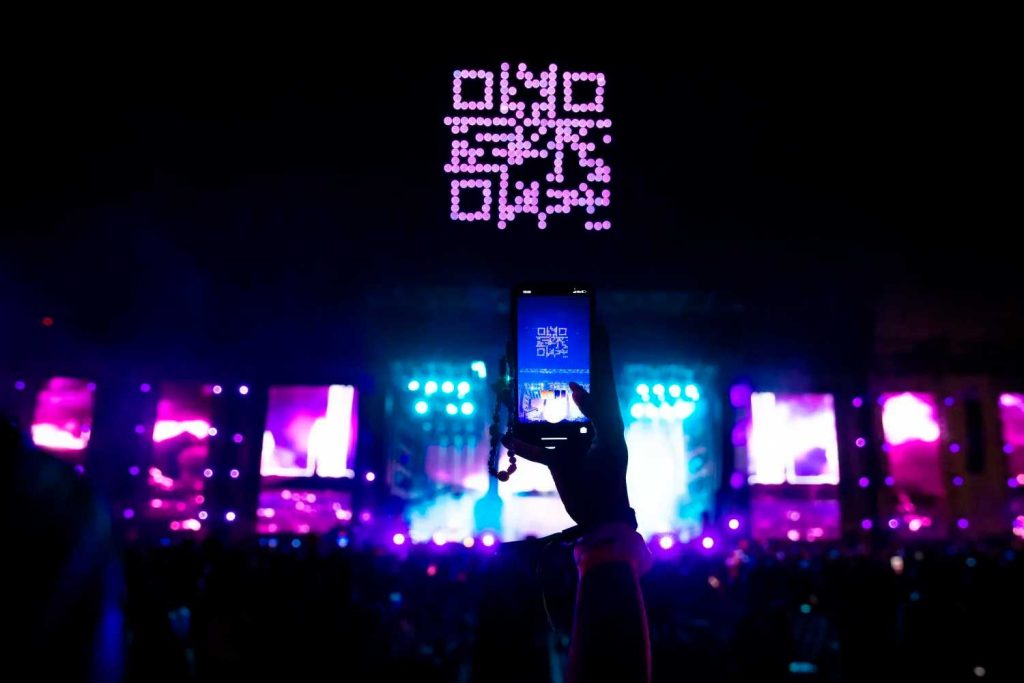
A concert ticket is a unique experience that begins long before you step on stage. Now, with the need for a QR code, that little black and white square has become your secure ticket to enjoy your favorite artists. But how exactly do they work? What are the differences between a physical ticket and a digital one?
The transition to QR codes
Attending a concert used to mean keeping that physical ticket like a little treasure, a tangible memento of the event. However, these were easy to lose or counterfeit. This is where QR codes came in . Not only do they reduce paper use, but they also offer significantly greater security . A QR code encrypts all your information, and a simple scan is all it takes to verify the authenticity of your ticket and grant you entry.
Advantages of QR codes at concerts
Imagine arriving at the venue a few hours before the concert. You don't need to carry a piece of paper, just your mobile phone. QR codes eliminate the need for physical tickets and reduce waiting times in lines. Furthermore, they avoid traditional problems like lost tickets and provide a more secure format , as they are difficult to counterfeit.
Operation and reading of a QR code
The next time you go to a concert, watch how QR code readers work almost like magic. These devices are able to very quickly read and decipher the information encrypted in the code. The surprising thing is the amount of information a small QR code can hold: from your personal details to concert details. In terms of security, these codes are practically impenetrable to those without access to the encryption key.
Will digitalization kill the physical ticket?
It's true that QR codes have many advantages, but there are also those who feel nostalgic for physical tickets. Keeping a ticket as a souvenir, feeling the paper in your hands—all of this adds a sentimental touch to the concert experience. Perhaps the solution lies in finding a balance; personalizing the QR code with designs from the event, for example, or generating digital souvenirs that you can store and share.
How to generate your own QR code
If you're someone who likes to be prepared and make sure everything is in order, you'll be happy to know that generating your own QR code is quite simple. You just need to access a reliable platform where you can configure the data you want to add to your code. Always remember to use services that offer high security and privacy , so that your personal data remains protected.
Tips for using QR codes at events
To optimize your experience, here are some helpful tips:
- Fully charge your mobile before the event. You don't want to be left without a battery and without a ticket.
- Save the image of the QR code in an easily accessible folder or as a lock screen.
- Check the sharpness of the QR code. Make sure the image is not blurry to avoid scanning problems.
Promoters and digital change
From the perspective of concert organizers, QR codes have been revolutionary. Security is one of their greatest benefits : with a system that encrypts and verifies in seconds, fraud is significantly reduced. Furthermore, they allow for better control of capacity, which is crucial at large events.
Despite its many benefits, some challenges remain. Dependence on technology , such as mobile phone battery life or the proper functioning of QR code readers, can be a drawback. However, widespread adoption and continuous improvement of these technologies promise to overcome any obstacles.
QR codes are here to stay, streamlining processes, increasing security, and providing a more convenient experience for both attendees and organizers. So the next time you go to a concert, remember, your ticket is just a scan away.
Music sounds better when technology is on your side.